Professional Tire Work: Get Back Driving In a Safe and Quick Manner
Professional tire maintenance hold an important position in maintaining vehicle wellbeing and capability. Qualified specialists execute thorough inspections to spot multiple tire issues. From punctures to alignment concerns, all issues demand careful review. Recognizing when to consult professional assistance can prevent subsequent complications. As drivers tackle these obstacles, they could think about the finest repair solutions and upkeep approaches. Delving into these subjects can produce informed choices and safer adventures to come.
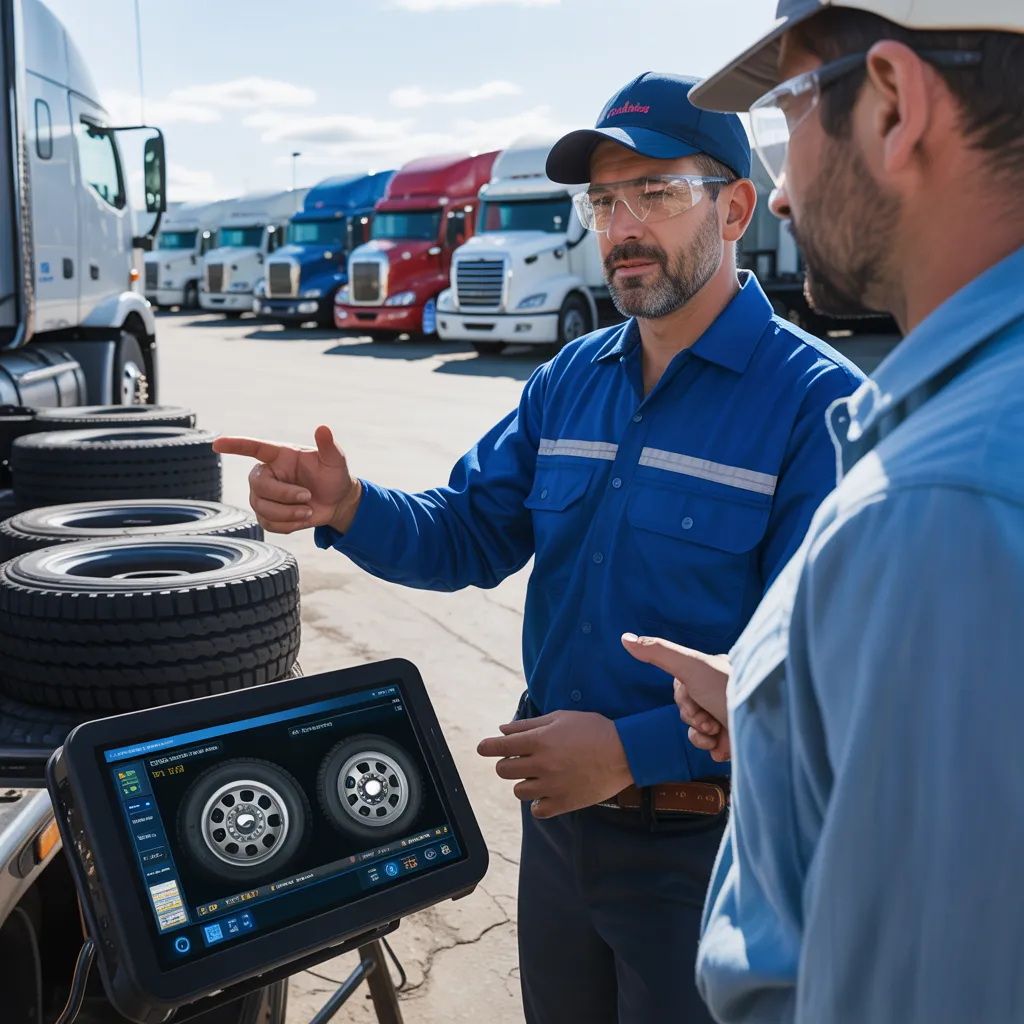
Frequent Tire Concerns to Be Aware Of
When drivers ignore their tires, they may encounter several common issues that can affect safety and performance. One frequent occurrence is underinflation, which can result in increased tire wear and reduced fuel efficiency. Over time, this can cause the tires to overheat, boosting the risk of a blowout. Another common problem is tread wear, which impacts traction and handling, particularly in wet conditions. Uneven wear may indicate alignment or suspension issues, requiring further inspection. Additionally, drivers may face punctures or sidewall damage from road hazards, leading to slow leaks or complete tire failure. Routine tire maintenance including rotations and inspections with correct inflation are vital for preventing these issues. Finally, weather-related factors can also contribute to tire degradation, making it vital for drivers to stay vigilant about their tire health. By understanding these common problems, drivers can improve their safety on the road.
Recognizing When Your Tires Call For Work: How to Tell?
Recognizing the indicators that tire maintenance are needed is vital for maintaining vehicle safety and performance. Drivers should be vigilant for specific indicators that suggest tire issues. Uneven wear patterns on the tread, for example, may signal alignment problems or insufficient air pressure. Additionally, visible damage, such as see this slices, bulges, or holes, often requires immediate care. A sudden decrease of air compression or frequent need for air replenishment
Motorists should pay close attention to handling and performance changes, such as vibrations or pulling to one side, which could signal tire imbalances or internal damage. Lastly, regularly assessing how deep the tread is is imperative; tires with worn or bald spots reduce traction. By observing these signs, drivers can confirm timely repairs, increasing both safety and vehicle lifespan. Quickly addressing these issues not only stops potential accidents but also cuts more costly repairs later.
Details Into What Happens During Tire Service Work
The tire servicing routine usually involves several key actions to guarantee safety and efficiency. Initially, a technician examines the tire for evident damage and evaluates its overall condition. This examination helps determine whether the tire can be repaired or requires replacement. After the inspection, the technician might remove the tire from the wheel to identify punctures or internal damage.
Once any issues are located, the specialist cleans the damaged area and readies it for restoration. This may include applying a patch or insert, depending on the nature and position of the harm. After the repair is finished, the tire is remounted and correctly inflated to the manufacturer's specifications.
Finally, a quality assessment validates that the repair adheres to safety standards. Throughout the process, technicians prioritize communication, updating the patron of observations and advice. This structured approach assures a trustworthy restoration, allowing drivers to return to the road with peace of mind.
Self-Service Tire Solutions in Contrast to Professional Help
Upon understanding the tire repair process, many motorists may contemplate whether to handle fixes independently or pursue expert support. DIY tire repairs can be appealing, especially for those with elementary technical skills and equipment. Basic perforations can often be repaired using repair kits available at auto supply stores, reducing both hours and money. However, this strategy involves dangers if proper techniques are not followed, likely leading to additional damage or security hazards.
Conversely, professional tire repair services supply proficiency and cutting-edge equipment. Trained technicians can precisely assess tire issues, ensuring repairs are dependable and safe. They can also recognize underlying problems that a do-it-yourself method might overlook. Ultimately, the choice between do-it-yourself repairs and expert help is based on the operator's assurance, experience, and severity of tire damage. Establishing a thoughtful choice is critical for keeping yourself safe on the road.
Guide to Picking the Optimal Tire Repair Service
What steps can motorists take to guarantee they select the top-rated tire repair service? First, they should research nearby options, focusing on customer testimonials and ratings. This information provides perspective into the quality of service and reliability of various shops. Next, reviewing for credentials and affiliations with recognized automotive organizations can indicate professionalism and expertise.
Furthermore, drivers should inquire into the varieties of repairs offered, confirming the shop can address their unique tire concerns. Clear pricing structures is also important; reliable establishments present straightforward quotes without surprise fees.
In addition, evaluating the shop's coverage options on repairs can present comfort. Finally, location accessibility counts—your distance from home or workplace, as well as available hours, can sway the selection process. By considering these aspects, drivers can confidently select a auto repair service that meets their requirements effectively.
Benefits of Routine Tire Service
Regular tire upkeep offers numerous benefits that extend the life span and performance of tires. By routinely checking tire air pressure, tread depth, and general state, vehicle owners can ensure ideal traction and handling. Correct air pressure decreases deterioration, enhancing fuel efficiency and reducing costs at the pump. In addition, regular inspections can help identify problems such as irregular deterioration or harm, allowing for timely repairs that prevent greater issues down the road.
Taking care of tires additionally improves safety by reducing the likelihood of blowouts or accidents caused by insufficient tread. Additionally, a properly kept set of tires adds to a smoother ride, boosting comfort for the driver and passengers. By investing time in regular tire care, individuals can maximize the value of their investment, securing reliable performance and peace of mind while driving. Finally, maintaining tires regularly is a crucial element of being a responsible vehicle owner.
Guidance on Preventing Future Tire Problems
Being proactive in tire upkeep can significantly reduce the likelihood of future problems. Consistently inspecting tire pressure is vital; underinflation can lead to premature wear and decreased fuel efficiency. It is recommended to inspect tires for apparent harm, such as cuts or bulges, which may suggest structural problems. Rotating tires every 5,000 to 8,000 miles helps guarantee even wear, extending their lifespan.
In addition, keeping proper alignment and balance is important to prevent uneven tread wear. Drivers should also review tread depth, using the penny test as a simple method; if Lincoln's head is visible, it's time for a replacement. Finally, preventing overloading the vehicle can minimize excessive strain on tires. By utilizing these methods, vehicle owners can boost tire longevity and promote a safer driving experience.

Frequently Inquired Questions
What amount of time is required for a common tire repair?
A typical tire repair usually takes 30 minutes to an hour depending on the extent of the damage and the particular repair needed. Elements like technician accessibility and workshop volume can also affect the duration.
Do All Tire Models Permit Restoration?
Not all tire types can be repaired. Generally, tread area punctures of passenger tires may be repairable, while damage to the sidewall, severe wear, or tires with multiple repairs often require new tires to ensure safety.
What Is the Price of Tire Maintenance?
The price of tire repairs typically ranges from $10 to $30, based on the damage and area. Factors such as tire kind and service provider may influence the final price, making it variable.
Does Your Insurance Cover Tire Fixes?
Damage protection for tires varies depending on your insurance policy. Certain policies supply emergency roadside support or repair expenses, though others may exclude this coverage. It's vital for individuals to review their particular policy terms to determine what protection exists for tire repairs.
How Might I Increase the Lifespan of My Tire?
To increase a tire's lifespan, regular maintenance is indispensable. This consists of maintaining proper tire pressure, executing regular rotations, ensuring proper alignment, avoiding overloading, and assessing tread wear for symptoms of degradation or harm.